Knee osteoarthritis is one of the most common joint problems people face as they age. It can cause stiffness, swelling, and persistent pain, making everyday activities like walking, climbing stairs, or even standing for long periods challenging. Traditionally, treatments for knee osteoarthritis have ranged from physical therapy and medications to invasive surgeries. However, in recent years, regenerative medicine has introduced a promising alternative—PRP therapy. In Boulder, patients struggling with knee osteoarthritis are increasingly turning to knee osteoarthritis PRP Boulder treatments to find relief and improve joint function.
Understanding Knee Osteoarthritis
Osteoarthritis occurs when the cartilage that cushions the ends of bones in your joints gradually wears down. In the knee, this cartilage loss leads to pain, swelling, and reduced mobility. While age is a significant risk factor, other contributors include obesity, previous injuries, and repetitive stress on the joint. Conventional treatments like pain medications or steroid injections may help temporarily, but they do not address the underlying damage to the cartilage. This is where PRP therapy in Boulder has shown great potential.
What is PRP Therapy?
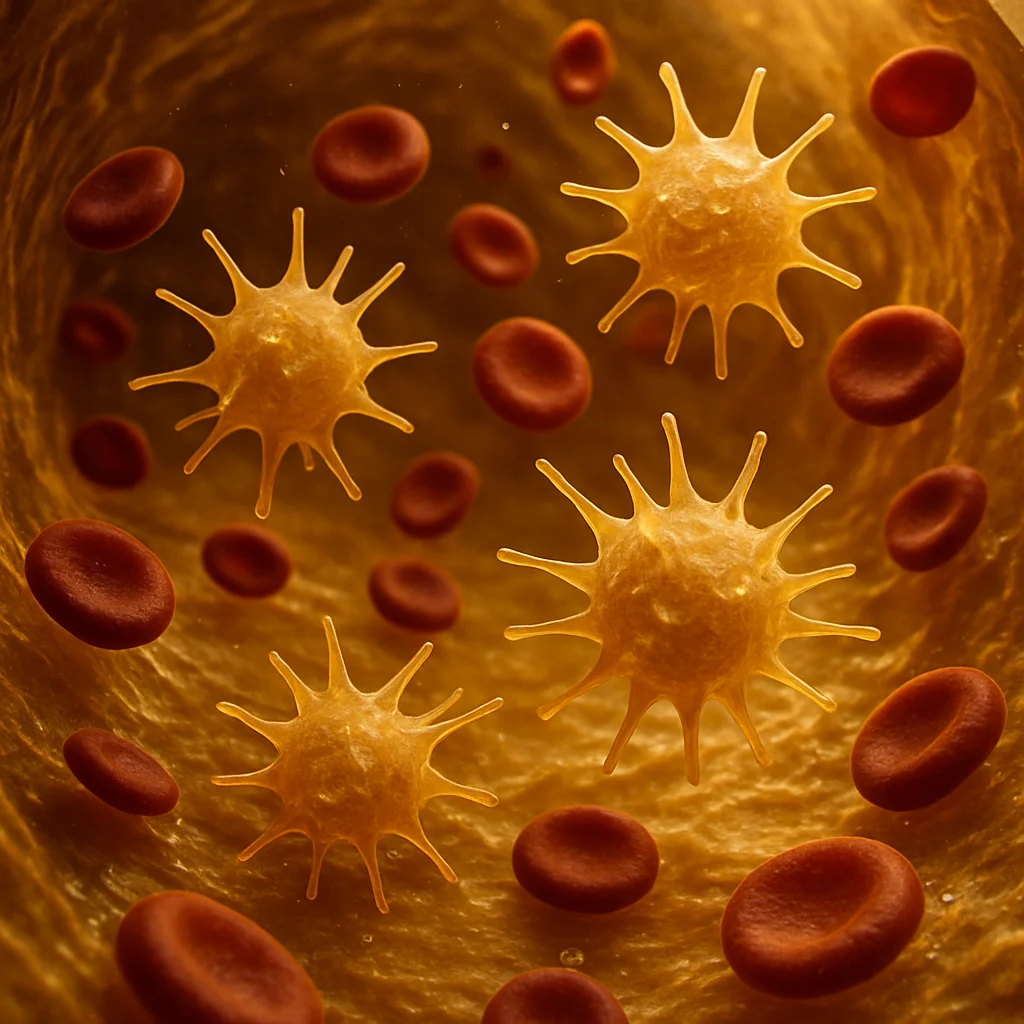
PRP stands for Platelet-Rich Plasma. It is a substance derived from your own blood, containing a high concentration of platelets, growth factors, and healing proteins. When injected into an affected knee, PRP promotes tissue repair, reduces inflammation, and can improve the function of the joint. Unlike medications that only mask pain, PRP therapy targets the healing process, helping the knee repair itself naturally.
Knee Osteoarthritis PRP Boulder: The Procedure
The procedure itself is relatively simple and minimally invasive. First, a small amount of your blood is drawn and then spun in a centrifuge to concentrate the platelets. The resulting PRP is injected directly into the knee joint under sterile conditions. Many patients in Boulder report that the procedure is quick, often completed in less than an hour, and requires minimal downtime. While some mild discomfort or swelling may occur initially, these symptoms usually resolve within a few days.
Benefits of PRP for Knee Osteoarthritis
Patients seeking knee osteoarthritis PRP Boulder treatments experience several potential benefits:
Pain Relief: PRP injections can significantly reduce knee pain, often noticeable within weeks.
Improved Mobility: Many patients regain better joint function, allowing them to resume daily activities with greater ease.
Non-Surgical Option: PRP provides a regenerative alternative to knee replacement or other invasive procedures.
Natural Healing: Since PRP is derived from your own body, the risk of allergic reactions or complications is minimal.
Why Boulder is a Hub for PRP Treatments
Boulder has emerged as a center for regenerative medicine, including PRP therapy. Clinics in the area combine advanced techniques with experienced physicians who specialize in sports medicine, orthopedics, and joint health. The emphasis on personalized care ensures that each patient receives treatment tailored to their unique condition, maximizing the chances of pain relief and improved function.
What to Expect After PRP Therapy
After your knee osteoarthritis PRP Boulder session, it is generally recommended to rest the knee for a short period and avoid high-impact activities. Physical therapy may be suggested to complement the treatment and enhance joint recovery. Many patients notice gradual improvements over several weeks, with effects potentially lasting several months or longer. Repeat sessions may be advised depending on the severity of the osteoarthritis and individual response.
Conclusion
Knee osteoarthritis no longer has to mean chronic pain and limited mobility. With innovations like PRP therapy in Boulder, patients have access to a natural, effective, and minimally invasive solution. By promoting the body’s own healing mechanisms, knee osteoarthritis PRP Boulder treatments offer hope for lasting relief and a better quality of life. For those exploring alternatives to surgery, PRP represents a powerful option to restore joint health and reclaim an active lifestyle.
